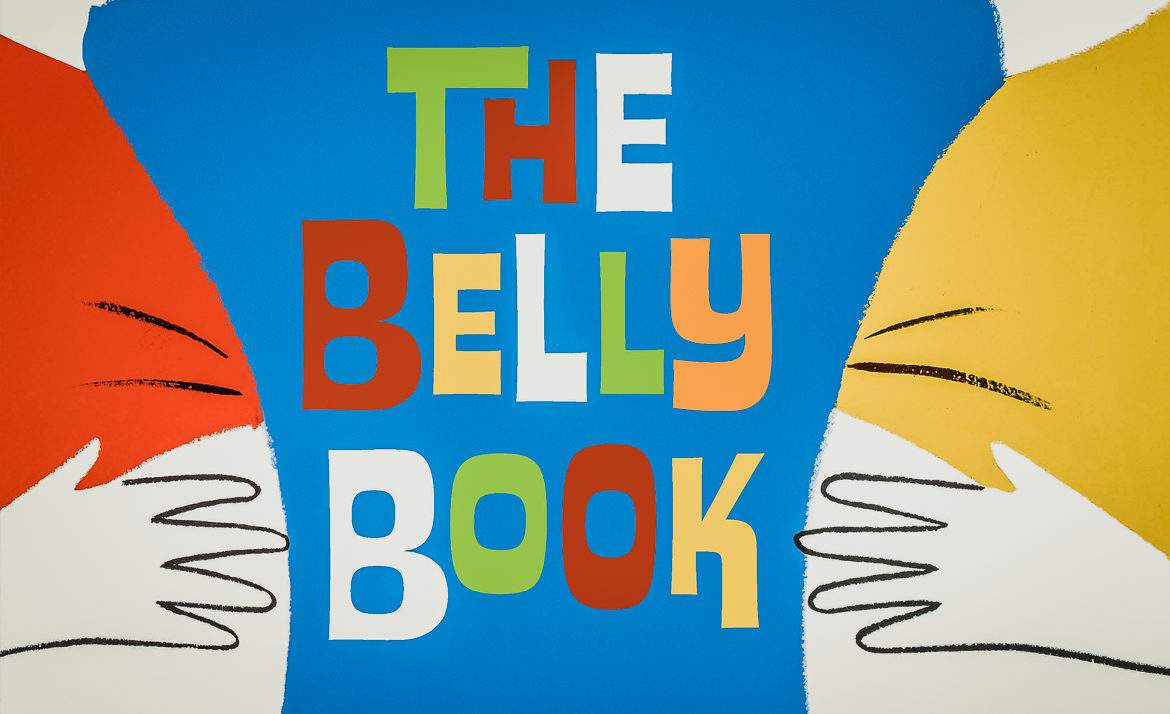
[Featured Image Description: Book cover of ‘The Belly Book’ by Fran Manushkin. The rest of the images in this post are book covers from the preceding text].
In this post: Adipositive Kids Books teaching kids to accept and respect people of every size.
Raising Luminaries is free and accessible for readers who can’t afford a paywall. Posts may contain affiliate links, which allow me to earn a commission at no extra cost to you. Check out the full affiliate disclosure along with my statement of accountability.
104: Daring Stories About Fat Liberation
Talking About Size-Shaming With Kids
I thought ableism in our books was bad, because it was insipidly disguised as ‘awareness.’ The way authors and illustrators treat fat characters is far worse, full of overt contempt and vitriol. We have a problem with size discrimination and supremacy in kid’s lit.
Choosing to ignore body-shaming is a privilege
It’s up to me to teach my kids that all their friends are humans worthy of kindness and respect – and it’s 110% not okay to shame, dehumanize, or objectify fat folks. If we don’t make that explicit, they’re going to pick up fat-phobic messages every time we leave the house.
Transparency: I have thin privilege. I’ve never faced the institutional discrimination barring me from quality education, healthcare, and social status based on my weight. I’m likely to swerve out of my lane and make mistakes when I discuss fat acceptance and liberation. Please call it to my attention if (when) I mess up. Facing up to my mistakes a risk worth taking if we’re going to get more strong, confident, complex, and happy fat kids in picture books.
Kick-Ass Icons

Ages 4.5+
Schwartz’s early versions* of ‘Begin At The Beginning‘ (also ‘Bea & Mr. Jones,’ with a caveat for ableist use of ‘dumb’) feature confident, passionate, talented protagonists who eat without shame and their plump bodies are normal and healthy.

Ages 3+
‘Beautiful‘ (also see ‘Lovely‘) call out traditional beauty norms for girls while smashing expectations in the illustrations. I would have loved to see larger characters, but all of the more plump girls are athletic and kick-ass. While I promote all books should be read by all genders, be careful when reading the text to boys, as it reads like an 1800’s primer for demure ladies.

Ages 5+ (violent)
‘The Adventures of Isabel‘* isn’t for everyone – it’s subversive and violent. Normally I avoid violence in books but Isabel is so smooth, and boss as she decapitates giants and dodges shills for big pharma – “Isabel didn’t scream or scurry. She washed her hands and she straightened her hair up, Then Isabel quietly ate the bear up.” This book fills me with glee. Isabel happens to be fat and she does not give any shits what anyone thinks about it.
*Both Schwartz & Nash’s books have been re-printed with slim characters recently because the world is awful and nothing good can last.

 I LOVE THIS BOOK SO HARD. The Snake’s Toothache centers on Passa, a powerful, courageous Mayan elder woman who saves her village with humility, wisdom, quick wits, and strength. Her age and weight are mentioned in relation to the story only to show how strong she is – not as a negative thing.
Caveats: This series (by various authors) has been cited as problematic in misrepresenting Indigenous folktales and culture. This particular book is written by white folks, not Indigenous or Latinx makers. I couldn’t find anything on the original story or the woman in the story, nor could I find criticisms against this particular book.

6+ with strong caveats
 ENORMOUS caveats in this recommendation.
The Truly Brave Princesses is a serving of delicious cookies, but those cookies are swimming in a slimy can of worms.
There are so many great things about this book (like the many princesses of size rocking it) and SOOOO many problematic garbage issues with it. Really what I’d love to do is cut this book up, re-arrange it, and create my own book from (most of) the illustrations. My caveats (starting with the inspiration-porn title) are so varied I don’t have space to include them here.
I refuse to read it with my kids because of the negative messages it sends about women – but for now, let’s just throw it in here because it’s got the best adipositive illustrations I’ve ever seen.
You might also like: Radically Body-Positive Kid’s books
Boost Belly Confidence
I have feelings about illustrators’ insistence of portraying fat-positive characters as hippos, elephants, cows, and pigs, but ‘I Like Me!‘ and ‘Get Up And Go‘ is canon within the slim pickings of fat-positive literature. (Another caveat – Carlson is a non-disabled supremacist and her work promotes internalized ableism.)
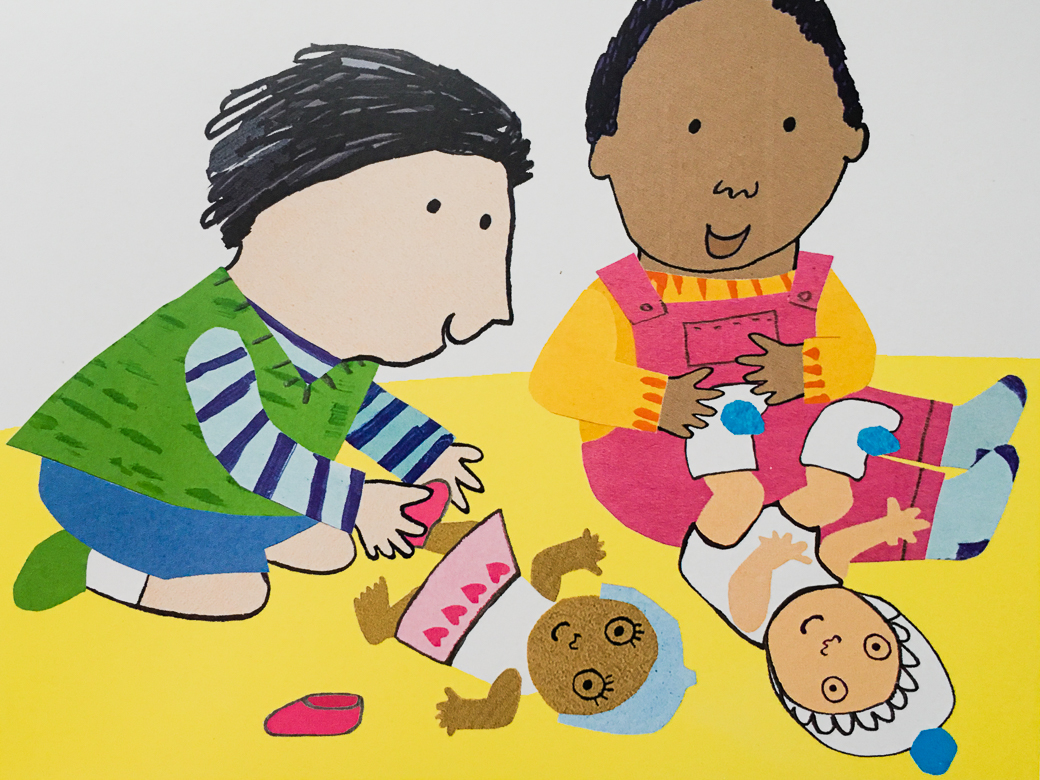
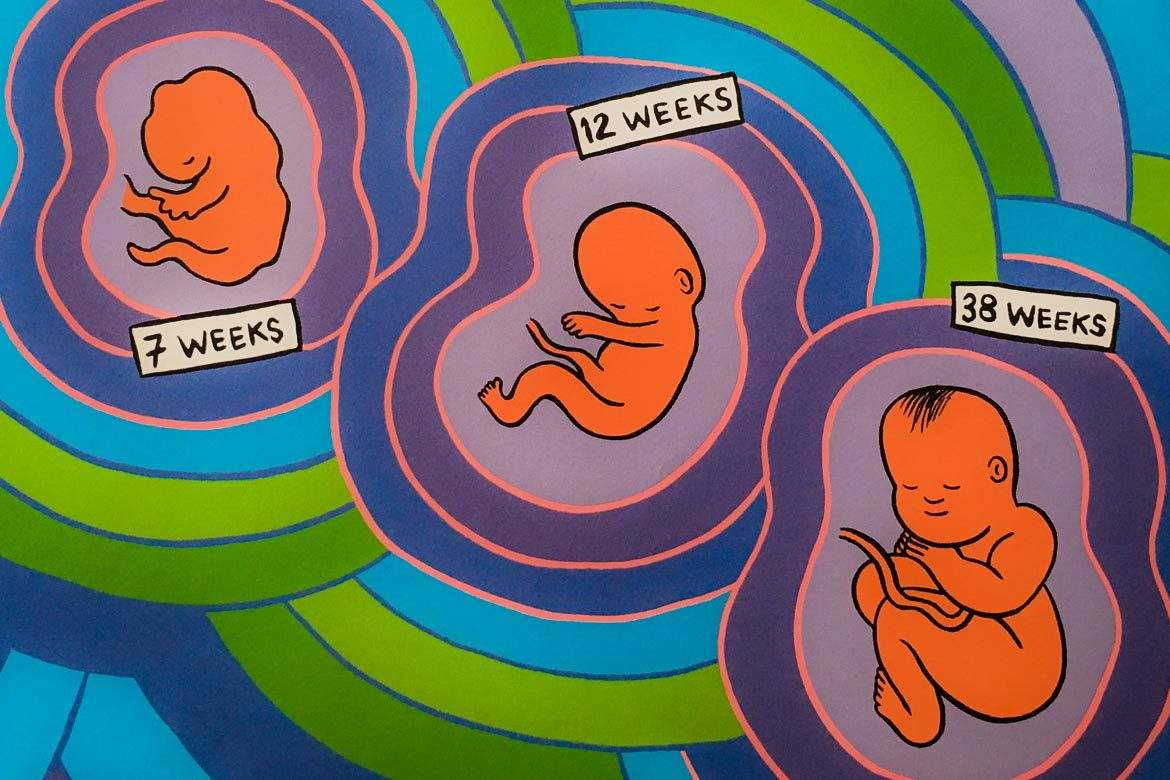
‘The Belly Book‘ is a happy, bouncy romp of a book and one of my preschooler’s favorites. Two caveats: Erasure of adoptive families (“Once upon a time, your mummy grew you – right inside her tummy.”) And an unnecessary spread featuring a happy, slim girl admiring her innie belly button while a chubbier boy pouts at his outie.
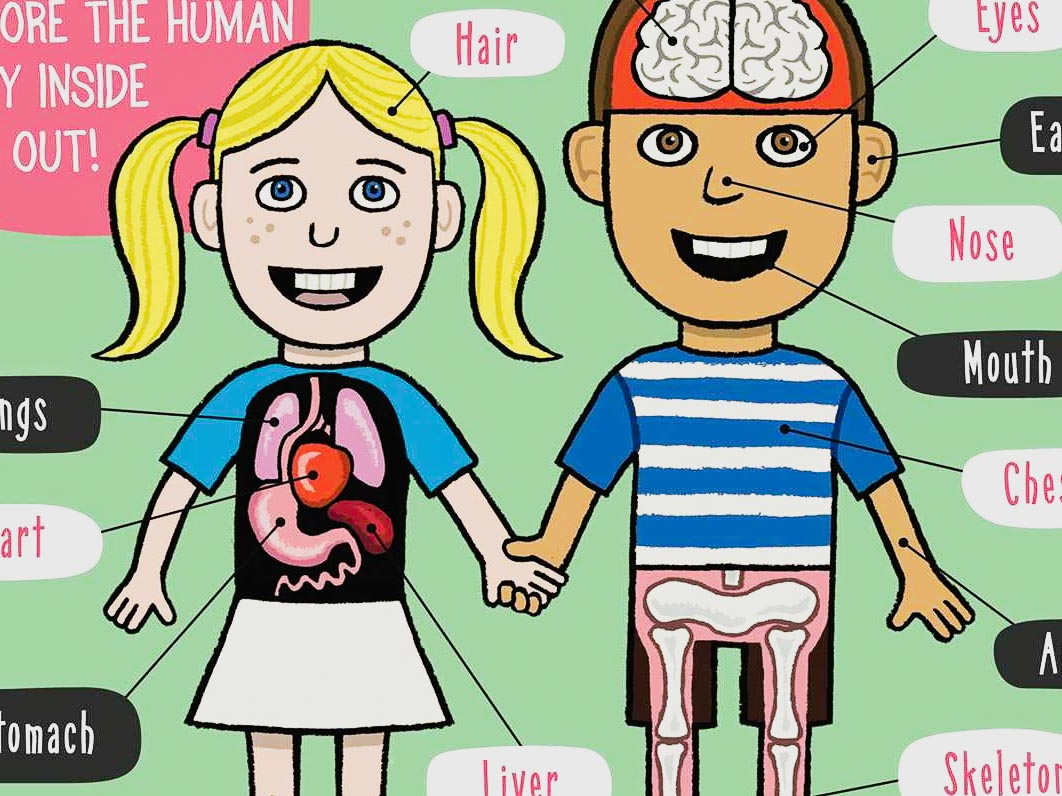
‘I Love You Nose, I Love You Toes‘ ( see also ‘Horns To Toes And In Between‘ and ‘It’s Okay to be Different‘) is a toddler anatomy book listing basic body parts and boosting body confidence. Tubby bellies are just a natural part of us, and aren’t charged with negative or positive association on size.

Ages 1.5+

Ages 1+

Ages 1.5+

Ages 4+

You might also like: Don’t Yuck My Yum – Teaching Kids Not To Food-Shame
Appreciate fat bodies as natural, beloved & belonging
‘The Night Eater‘ (or ‘Comenoches‘ in Spanish) – See Alison’s reservations & notes in the comments below.
‘My Great Big Mamma‘ ‘Big Momma Makes The World‘ (Abrahamic creation story, see comment by Tzipporah‘s notes below on my previous use of language.)
and ‘They She He Me: Free To Be!‘

Ages 3+

Ages 2+

Ages 1.5+

Ages 1.5+

Reject body-shaming & bullying
‘Abigail The Whale‘ is bullied by the kids in her swim class, and eventually learns to embrace and celebrate her body and her abilities, with the perk of some mild revenge (a very splashy cannonball). ‘Belinda’s Bouquet‘ was a progressive story on fat shaming and fat acceptance in 1989, featuring lesbian moms(!) but it centers a thin white dude as the protagonist for no apparent reason and the story is clumsy. In ‘Starring Hillary,’ we see the effects of family members body-shaming young girls, and the importance of representation and self-acceptance.
Lots of white girls – I know, so I’m still looking for more stories on this centering fat kids of color along the gender spectrum. Slow progress!

Ages 4.5+

Ages 5+

Ages 5+


No – YOU move
Both ‘Ernest, The Moose Who Doesn’t Fit‘ and ‘Brontorina,’ follow the device as an allegory for inclusion – change the environment, not the size of the character. ‘You Are (Not) Small‘ is a modern classic teaching kids about perspective and labels.

Ages 2.5+

Ages 2.5+

Ages 3+


You might also like: Empowering Kids Books About Disability
Normalizing bodies of size
Regular (or extraordinary) people doing their thing. their weight is neither erased nor tokenized, and they are complex characters with agency and identities outside the trope of being ‘the fat one.’
Time to get dressed!, Boo Hoo Boo Boo, Daddy, Papa, and Me, Mommy, Mama, and Me, When Santa Was A Baby, Dusk, Full, Full, Full of Love, Minnie Maloney and Macaroni, Don’t Feed The Bear, The Five of Us, Sex Is A Funny Word, Dad By My Side, Diana Dances (transparency: Annick Press sent me a free copy of this for review)
Those Shoes and Julián Is a Mermaid both love their fat grandmothers, but Juliá’s Abuela owns it in her wisdom (with more fat characters celebrating their bodies in the background.) It’s worth mentioning that while this book is super sweet and affirming, there are some issues with how Love, a white allocishet author appropriated and whitewashed the experience of a Dominican child of color.

Ages 1+

Ages 1+

Ages 4+


Ages 1+

Ages 1-4

Ages 3+


Ages 4.5+

Ages 1+

Ages 4+


Ages 3.5+

Ages 3.5+

Ages 3.5+

Ages 6+

Ages 2.5+

Ages 4+

You might also like Cultivating Healthy Boundaries – Helping Kids Understand Sex
Navigating Body Comparisons – Validating Stories For Kids of Size
‘Minnie & Max Are OK!‘ features the journey of Minnie & Max as they compare their bodies negatively with others in a grass-is-greener situation, ultimately coming to a place of self-acceptance. ‘How To Be Comfortable In Your Own Feathers‘ is didactic and ham-fisted, but addresses body dysmorphia (anorexia) and gives parents a place to start discussions for kids navigating eating disorders (so it’s not for everyone). See Maura’s awesome analysis of ‘Amanda’s Big Dream‘ below in the comments.

Ages 4.5+

[Eating Disorders]

Ages 4.5+

Celebrate Kick-Ass Women of Size In History
I get that having a book about food in this post borders on stereotyping, but bear with me, Pies From Nowhere (Georgiea Gilmore) is awesome. And while we’re at it, Voice of Freedom (Fannie Lou Hamer) is also awesome.
Perhaps you noticed we’re only including Black women in this list. I focus on women of color (primarily Black women) in my research since women’s history kidlit leans White and ignores other people of color entirely. But if I’ll add more folks as I find them.

Ages 7+

Ages 9+


You might also like: Black Women In American History: Kidlit Without White Saviors
Recognize anti-fat tropes in stories
SO MANY BOOKS center on skinny characters learning to treat fat people with respect only have they’ve ‘earned’ it by going above and beyond to prove their humanity.
SO MANY BOOKS offer the only path to humanity and acceptance though diet and exercise. Bootstraps!
SO MANY BOOKS end with parents beaming at their successfully down-sized child, who is now worthy of love and affection because they starved themselves thin.
SO MANY BOOKS with fat, happy, confident characters who are depicted as pigs, elephants, and cows surrounded by smaller animals who make fun of them. Seriously, with those old stereotypes? Is drawing a portly giraffe or fluffy meerkat so hard?
WE ARE NOT HAVING IT.
Problematic (And Common) Story Devices To Avoid
- ‘My Friend Maggie‘ – this is by far the most detestable of the list, and I hate it.
The bulk of the book subjects Maggie to humiliating illustrations as she falls off playground equipment, sucks at hide-and-seek, and is the butt of the maker’s jokes. The protagonist insists she likes Maggie ‘despite’ these ‘flaws’ which is some nonsense thin-supremacy logic.
Later, Maggie proves her value by forgiving the protagonist for being an asshat, proving that fat people must go above-and-beyond in order to be treated with basic human dignity. - Oh wait I just found ‘I Get So Hungry‘ and it’s a decent runner-up for most-hated. In it, we learn that being fat is simply caused by laziness, and that by going on a diet and exercising a little, you can earn dignity and self-respect. OH FOR FUCKS SAKE.
- ‘The Runaway Wok‘s has an unnecessary depiction of ‘Chubby Lan’ to depict his greed and laziness:
“Without bothering to find the owner, the chubby boy grabbed the wok…Finally his weak arms grew tired and he headed home.” “Chubby Lan couldn’t make it very far without losing his breath”
- ‘Maggie Goes On A Diet‘ portrays an undignified Maggie shoving food into her face with her head in the fridge, implies fatness is the result of mental issues, and glorifies fat-miserable-before and skinny-happy-after. The maker puts the onus of her bullying on Maggie – she changes, not her bullies.
- ‘Hooway For Wodney Wat‘s bully is an aggressive, ignorant, fat Camilla Capybara insisting “I’m bigger than any of you. I’m meaner than any of you, And I’m smarter than any of you. So there,” perpetuating an aggressive fat bully trope.
- ‘Harry Potter‘ I love Harry Potter – but we need to discuss how every fat character is evil, lazy, or incompetent. (Neville becomes a bad-ass only after slimming down.)
- ‘I Like Myself‘ – I mostly like this story despite it’s many problems (the makers are ignorant of both race and weight stereotypes). However, the idea that she likes herself ‘even if‘ she’s fat implies that weight correlates with worth, and that’s an insidious message our kids can do without.
- Fun In The Sun uses fat bodies as objects for laughs. Throwing fat bodies into a silly story for a chuckle – explicitly because illustrators find the concept of fatness, and fat people, here for a thin-person’s entertainment, is lazy. Work harder on better writing and illustrations and makers won’t have to feed into this dehumanizing, objectifying stereotype.
- ‘Fire Engine‘ features a fat character who busts through a metal wall to eat all the cupcakes and snacks intended for his coworker’s party. Seriously.
- ‘Bear’s Big Bottom‘ is a compilation of all the things Bear fucks up because he has a large ass. No thank you.
- ‘Flabby Cat and Slobby Dog‘ That cover. Also every single other thing about this book.
- ‘Clorinda‘ tries – but ultimately fails. She makes it into a big production as a dancer despite everyone telling her she’s too big (she’s a cow) – but quits and goes home when she realizes she’s so large her partner can’t hold her weight without being crushed. In contrast – ‘Brontorina’ (listed above) solves this issue in an obvious way with a minimum of fuss.
- ‘Bare Naked Book‘ is just one of hundreds of examples promoting body-positivity while completely erasing fat folks from the picture.
- ‘Is Mommy?‘ is a wretched, negative smoking pile of crap of a book ripping apart moms, but the icing on the cake is the line “Is mommy fat?” with the general understanding that ‘fat’ is a very bad thing. BTW: Yes she is! (Mommy is also apparently short, boring, ugly, and mean.)
- See also: Pretty much every book with a fat character.
Listen to Body Acceptance & Fat Liberation Leaders
“When my body gets smaller, it is still me. When my body gets bigger, it is still me. There is not a thin woman inside me, awaiting excavation.”
– Lindy West, from ‘Shrill‘
Again – I’m not fat, so place is to signal boost and get you guys hip to the concept so you can learn more. This post should not the end & all of your education on fat liberation. Read more by Lindy West, Roxanne Gay, Samantha Irby, and other Acivists and writers who fight for acceptance.

Adults

Adults


More Resources
- Fat Liberation Manifesto
- Fat-Positive Representation For Kids (by BFL reader Sasha Harris-Cronin!)
Stay Curious, Stand Courageous & Take Up Space
Support these resources via Paypal | Venmo | Ko-fi | Buy a t-shirt | Buy a book
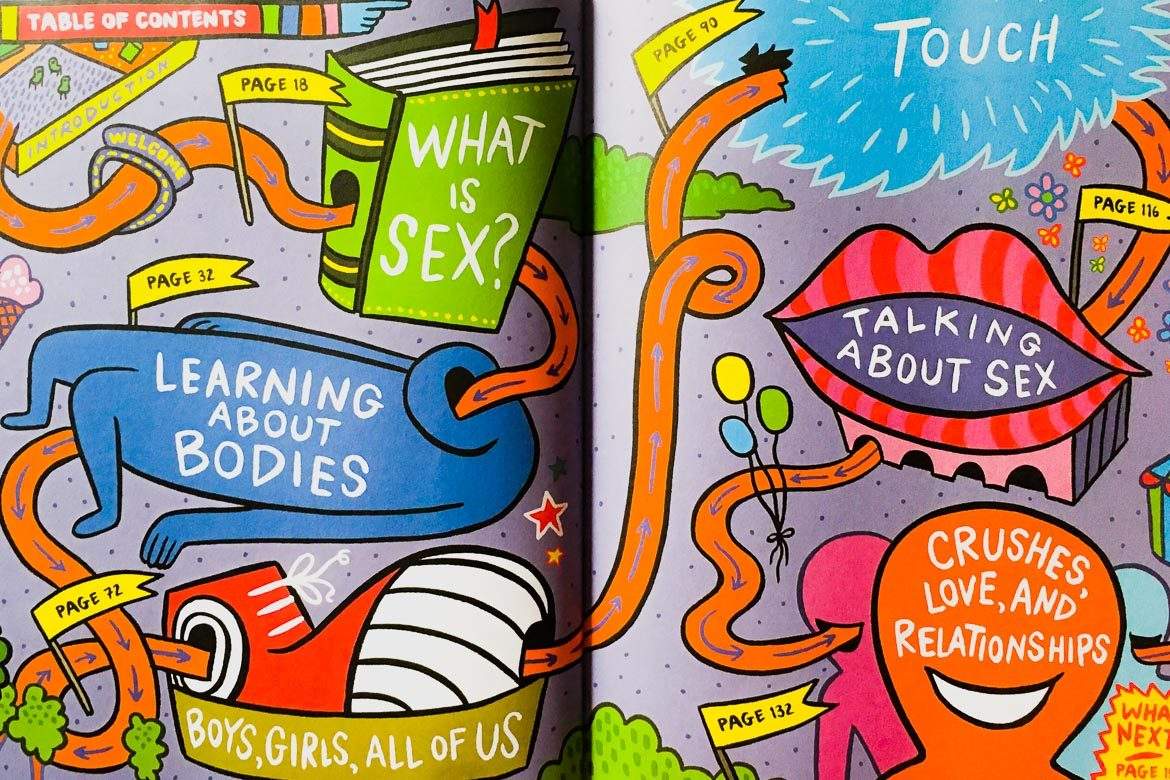

 Top Pick – If you read only one book, make it this one.
 Most Thorough For Exploring Sexual Identity
 Best For Survivors With A History Of Sexual Abuse
 Best For Older Teens & Adults
 Problematic & Overdue For A New Edition (2014 Edition Not Recommended)
 Something To Keep In Mind